
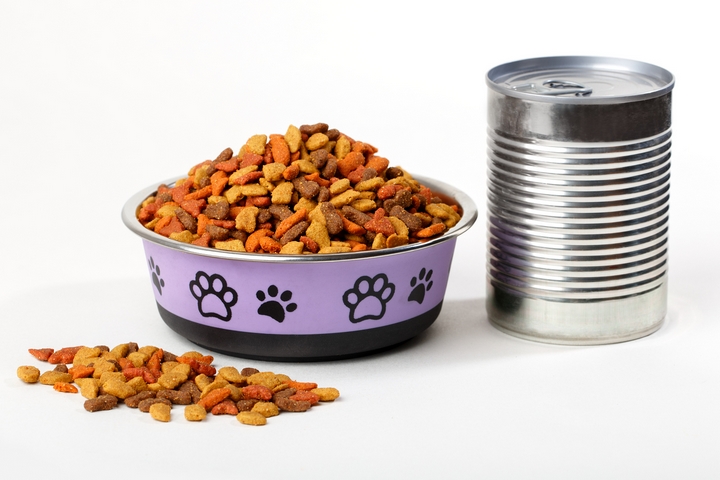
Crafting a dog diet plan is a matter of debate for many pet owners. It’s easy to come up with dozens of approaches to pet food and dog diets, each making claims that they’re better than the others for various reasons. To find the right dog diet plan for your pup, it’s essential to understand your dog’s breed, its preferences, your budget, and what’s healthy for a dog of its age.
Here is how to create a dog diet plan.
1. Learn Their Nutritional Needs
A dog requires a balanced diet of protein, fats, carbohydrates, vitamins, and minerals. Their exact nutritional requirements vary based on age, size, breed, and activity level, including the number of calories they should consume. High-quality brands like Orijen dog food are packed with nutrients.
2. How To Balance Macronutrients
A balanced diet for a dog to maintain energy and health relies on a specific macronutrient composition, which should be adjusted based on age, health, and energy needs.
- 30% protein
- 20% fat
- 50% carbohydrates and fiber
3. Limit Dog Treats
Be extremely cautious with dog treats. They should not comprise more than 10% of a dog’s daily calorie intake. Instead of doggie treats, provide your pet with pet-friendly whole foods, such as dehydrated meat, vegetables, or dental chews. Limit access to foods high in sugar or fat.
4. Your Dog’s Age: Adult Dogs And Puppies
- A puppy requires a diet plan high in protein and calories to support its growth and development.
- An adult dog requires maintenance-level nutrition.
- A senior dog should be set up with a pet food plan that is lower in calories, taking into consideration any health issues they may be managing.
5. Your Dog’s Breed And Size
- Large-breed dogs are prone to joint issues and may require specific nutrient ratios to help manage their condition.
- Small breed dogs often have a faster metabolism and, therefore, require more calorie-dense foods.
6. Keep Fresh Water Available
Hydration is as important as any other element of your dog’s diet plan. Clean, fresh water should be provided daily. Proper hydration is essential for digestion, temperature regulation, and the proper functioning of organs.
7. Monitor For Sensitivities
Dogs can be allergic to a wide variety of ingredients. Meats, including chicken, turkey, fish, and beef, can cause issues. Grains like brown rice, oats, and quinoa can also cause reactions. If your dog is allergic, you may need to re-balance your dog’s diet plan.
8. Consult Your Veterinarian
A veterinarian can assess your dog’s health and provide a more personalized recommendation for its diet. They can help you identify and resolve potential nutritional imbalances and advise on special dietary needs that may need to be covered.
9. Diet Must Suit Your Dog’s Health Needs
Many dogs have additional health needs that may rely on consuming supplements or dog food high in specific vitamins or minerals. Ensure you are supporting your dog’s health needs to avoid coat problems, bone issues, immune dysfunction, and other health concerns.
10. Carefully Control Portion Sizes
Do not overfeed your dog. This can lead to obesity and health complications. Keep portions the same with every meal you pour. Keep in mind your dog’s ideal weight and use this to adjust food amounts.
11. What Type Of Pet Food: Commercial Or Homemade
Commercial pet food is convenient and inexpensive, and while not all of it, some are nutritionally balanced. Homemade diets are similar. However, a pet owner has more control over the ingredients. That said, it’s easy to get the wrong formulation and to provide a diet out of balance. Consider the benefits of each approach and determine which one works best for you and your dog’s lifestyle.
12. Understand Toxic Dog Foods
If you opt for homemade treats or foods, review the list of toxic foods to avoid for your dog. The list includes chocolate, grapes, raisins, onions, garlic, caffeine, and alcohol, which should never be given to a dog of any age.
13. Always Choose For The Highest Quality Dog Food
Look for dog food that contains whole protein sources, minimal fillers, and essential nutrients. Always opt for high-quality dog food over that which is filled with artificial preservatives, dyes, or by-products.
14. Carefully Read Dog Food Labels
The ingredient list on a dog food label is listed in order of weight. The first few ingredients matter most. Always look for real meat, whole grains, and named sources of fat rather than vague terms that are unfamiliar to you.
15. Set Up A Feeding Schedule
Feed your dog at regular times throughout the day. This creates a structure that can be carried over day after day. It also assists in digestion and portion control. A new puppy may eat three to four times per day. Adult dogs are typically best when fed two meals per day. Unless medically advised, it is best to avoid free-feeding on a dog diet plan.
16. Monitor The Results
Ensure your dog’s diet plan is working. Monitor your dog’s weight and health. Ensure they are neither overweight nor underweight. If you experience sudden health issues, consider consulting a veterinarian as you adjust your diet to address these concerns.